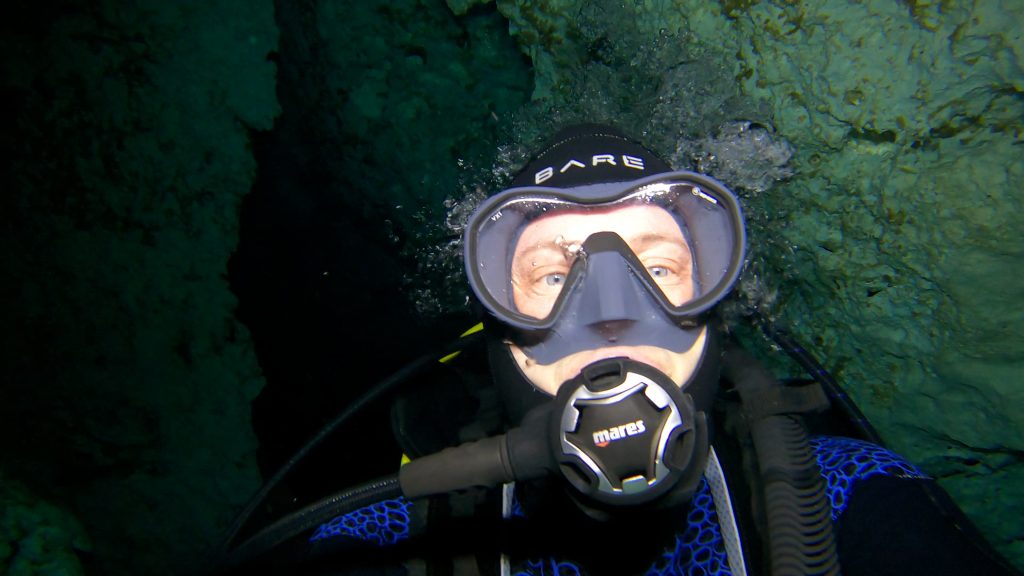
The first week of March 2026 took me somewhere many divers eventually find themselves drawn to: Quintana Roo, Mexico. The region is a bit of a diver’s playground—clear Caribbean water, vibrant reef systems off Cozumel, and the surreal cavern and cenote systems of the Yucatán peninsula.
This trip was a short one for diving—just two dedicated dive days—but it packed in a surprisingly diverse experience: one day of ocean reef diving off Cozumel, followed by a day exploring cenote caverns inland near Playa del Carmen. In other words, two completely different underwater worlds within about 24 hours of each other. For this trip we went with Sean-Douglas Brand from AquaTech Divers, based out of Playa Del Carmen and I can’t recommend them enough if you’re heading down that way.
Day One – Caribbean Reef Diving off Cozumel
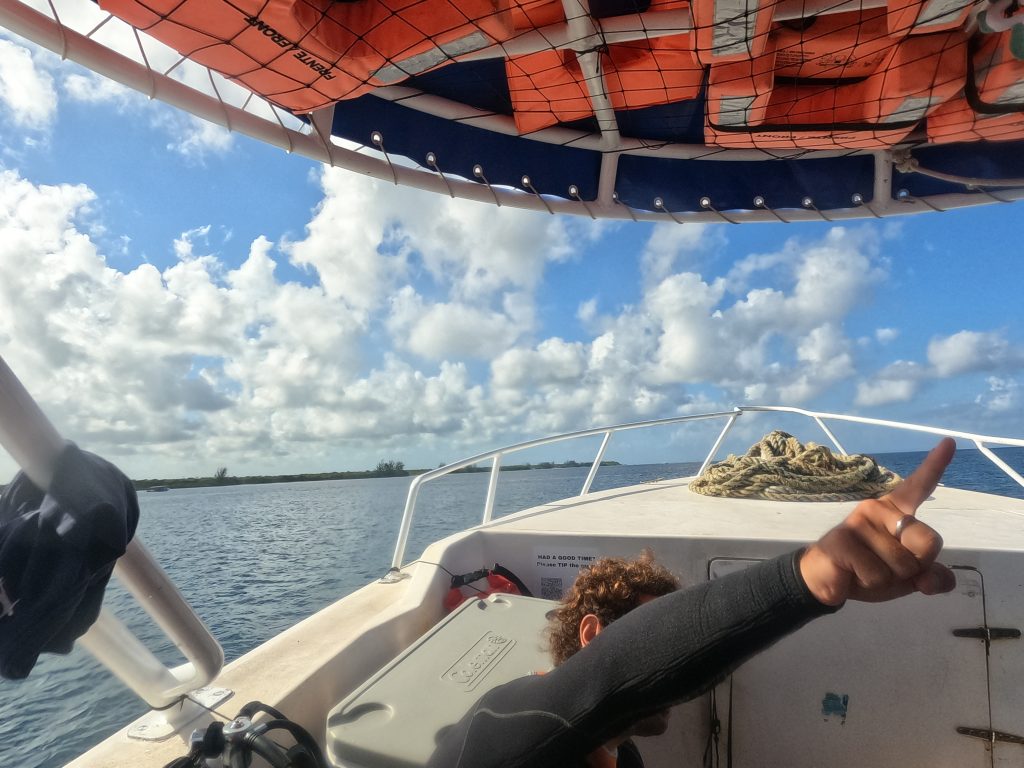
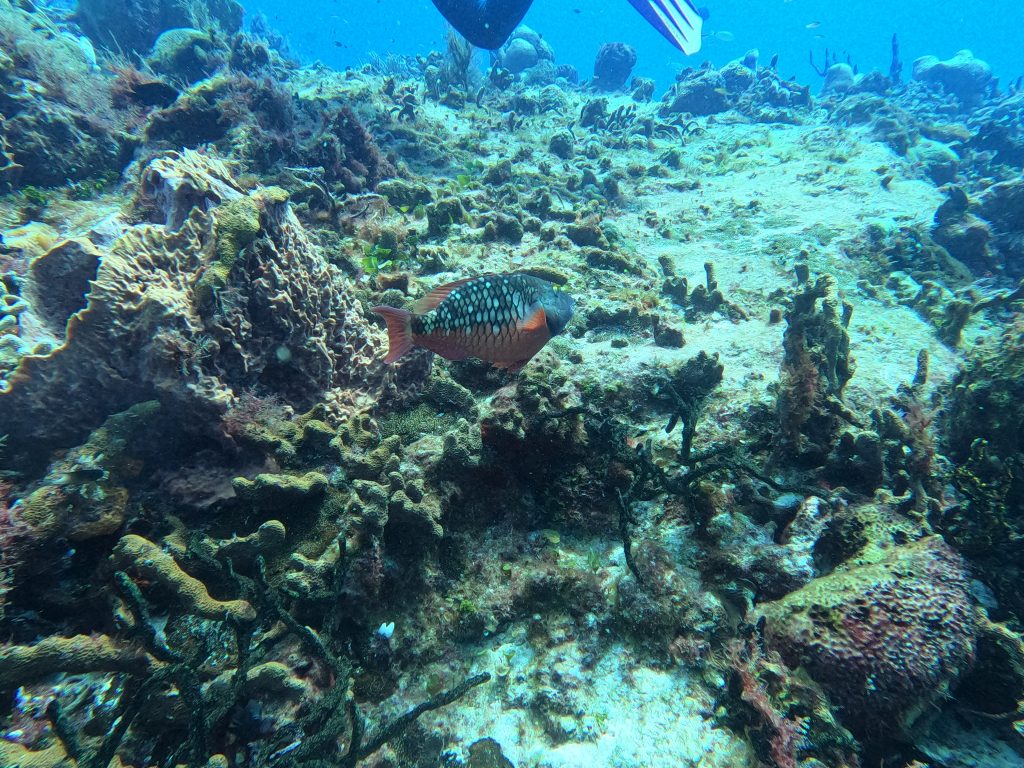
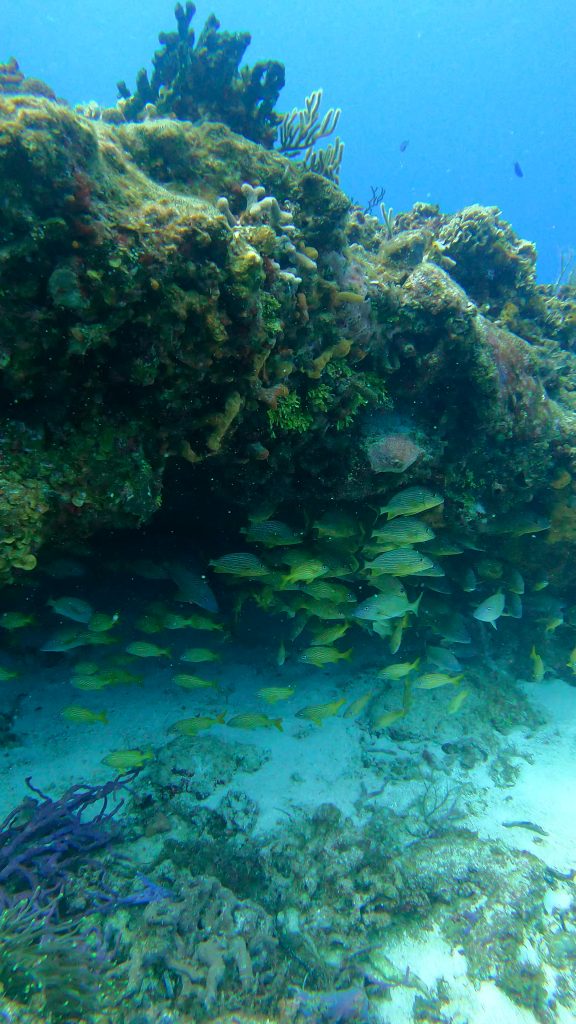
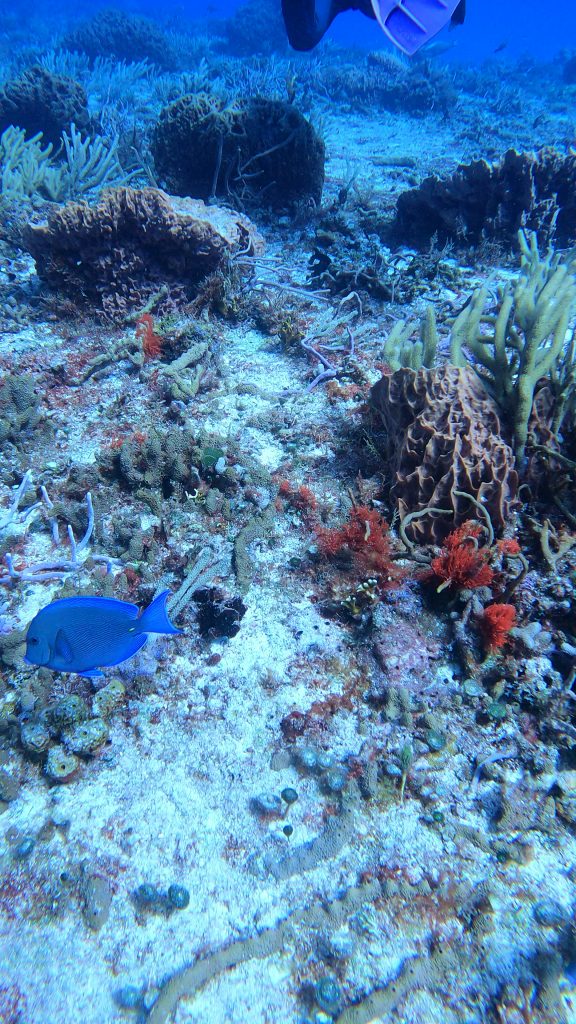
Our first dive day started early in Playa del Carmen, where we boarded a boat for the run across the channel toward Cozumel’s famous reefs. Cozumel sits just offshore and benefits from the Mesoamerican Barrier Reef, the second-largest coral reef system in the world. The currents along the island create the classic Cozumel drift diving experience—drop in, relax, and let the current carry you across massive coral formations.
Our two sites for the day were Punta Tunich and Yucab, both well-known reefs on the island’s southwest coast.
Punta Tunich
Punta Tunich is the kind of dive site that reminds you why Cozumel has such a reputation. The reef structure is dramatic—large coral buttresses, swim-throughs, and coral heads rising out of the sand.
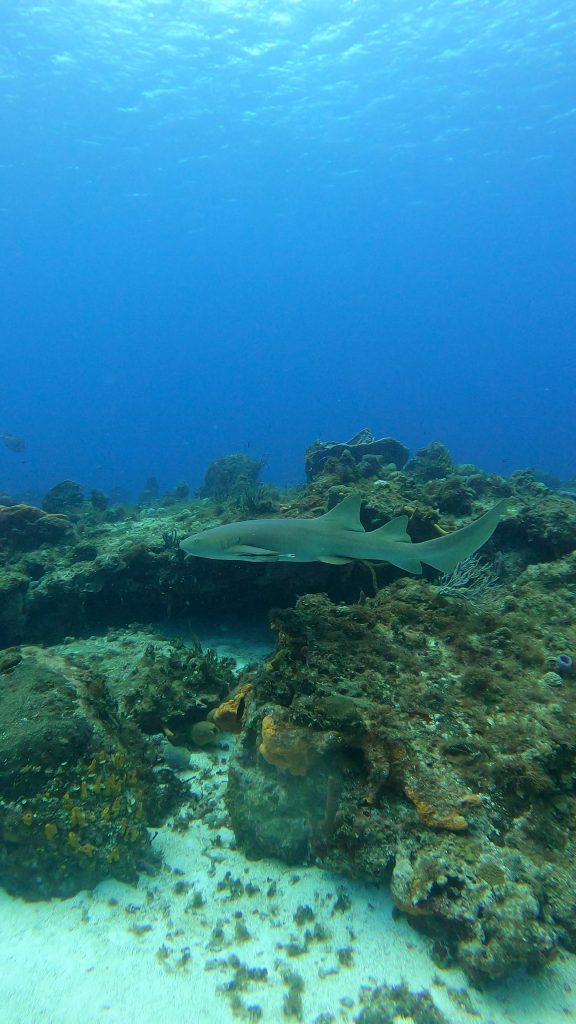
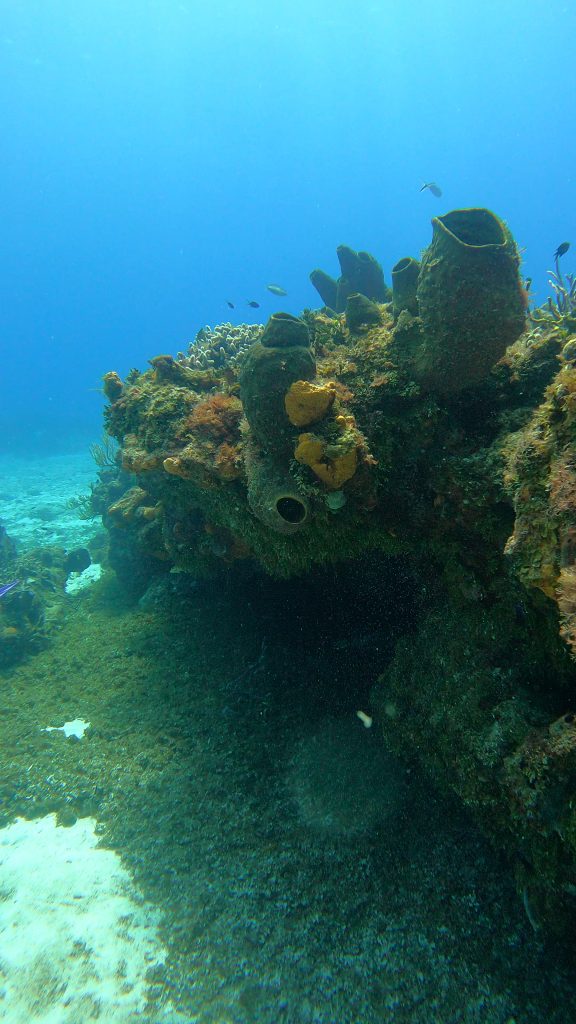
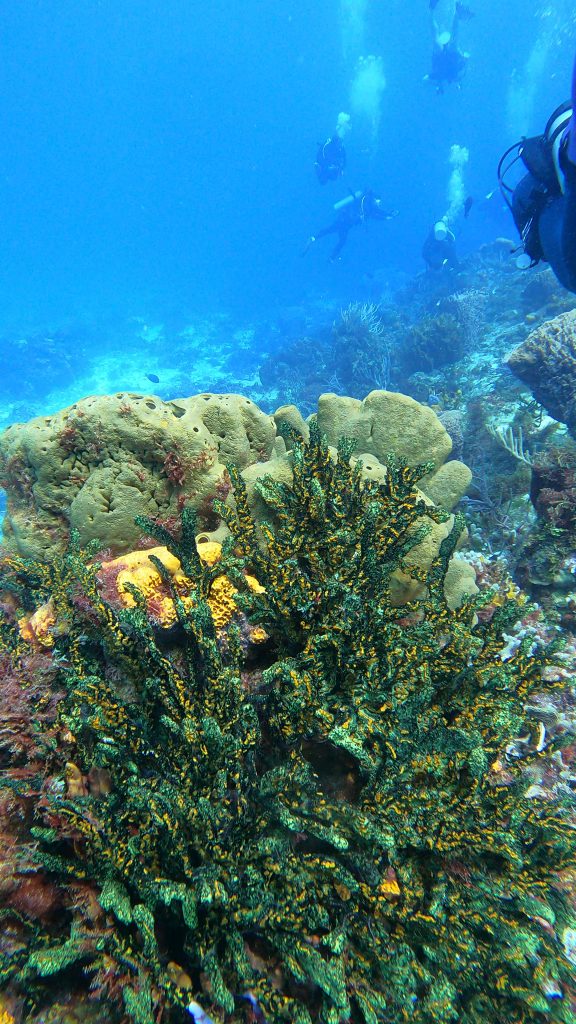
Visibility was excellent, the kind of “Caribbean blue forever” that makes you feel like you’re flying more than diving. Schools of fish moved across the reef, and the coral formations themselves were massive, with towering sponges, layered coral plates, and the occasional hidden nook where something interesting was almost always tucked away.
The current carried us gently along the reef, making it an easy, relaxed drift dive.
Yucab
The second dive at Yucab Reef had a slightly different feel. Yucab is known for its dense coral structures and marine life, and it didn’t disappoint.
Large coral pinnacles rose from the seabed with channels weaving between them, creating natural corridors to drift through. The site had that classic “busy reef” feeling—fish everywhere, vibrant coral, and the sense that there’s always something happening just outside your field of view.
Between the two sites, it was a perfect introduction (or reintroduction) to what makes Cozumel special: easy drift diving, incredible visibility, and huge reef structures.
Day Two – Cenote Diving in the Riviera Maya
If the Cozumel dives were classic Caribbean reef diving, the second day was something entirely different.
Just inland from Playa del Carmen lies one of the most unique diving environments on the planet: the cenotes of the Yucatán Peninsula. These flooded cave systems are part of an enormous underground river network formed in limestone. What makes them special is the combination of crystal-clear freshwater, dramatic cavern formations, and surreal lighting effects as sunlight filters through openings in the jungle canopy.
For this day we dove Jardín del Edén and Chikin Ha.
Jardín del Edén
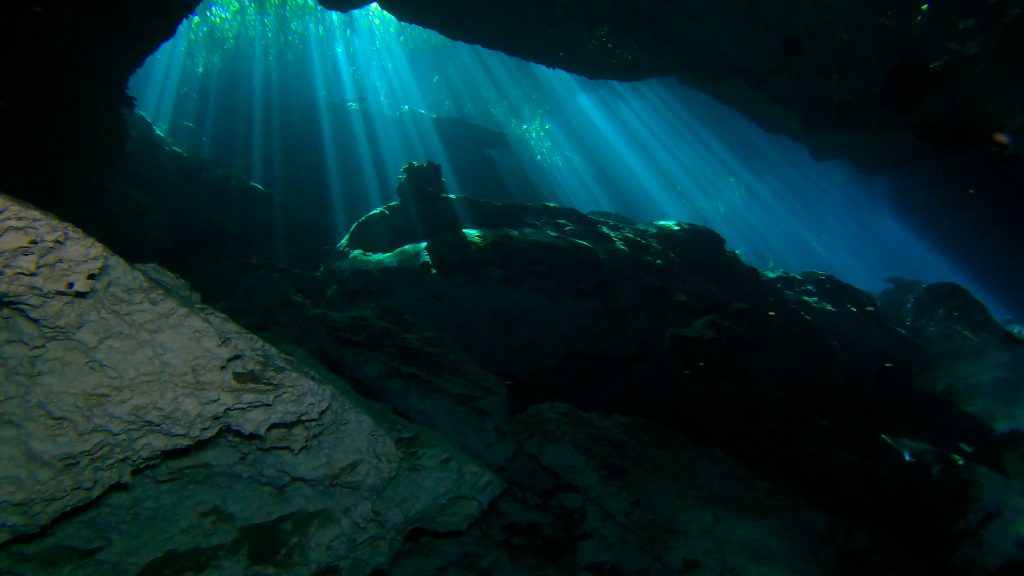
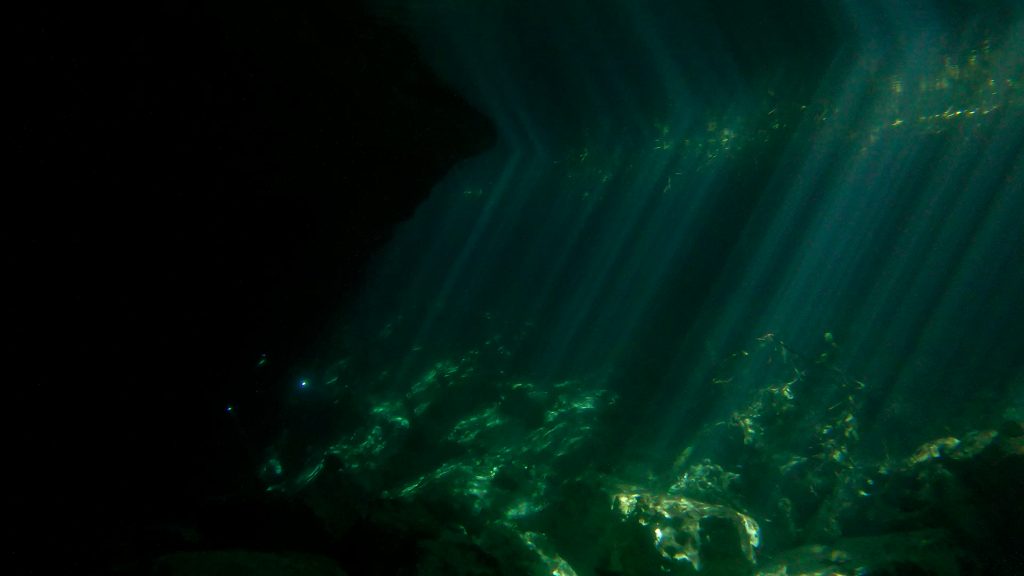
Jardín del Edén is one of the more open cenotes, making it a great introduction to cavern diving. Large openings allow sunlight to pour in, creating dramatic beams of light through the water.
The visibility was essentially perfect. The water clarity in cenotes is hard to describe until you see it—often 100+ metres of visibility, with rock formations and cavern ceilings appearing impossibly sharp.
Swimming through the cavern areas felt almost otherworldly. Rock walls twisted into dramatic shapes, and occasionally the freshwater mixed with deeper saltwater layers to create a halocline, where the water appears to shimmer like heat waves.
Chikin Ha
The second dive at Chikin Ha was more cavern-focused. The passages felt more enclosed, with longer cavern runs and more pronounced cave formations.
Stalactites and stalagmites—formed thousands of years ago when these caves were dry—now sat submerged in pristine water. Swimming through them feels like exploring a geological time capsule.
For divers interested in moving toward cavern or cave training, sites like this provide an incredible introduction to the environment. Even without formal training beyond the guided cavern dive, the experience is unforgettable.
Thinking About a Scuba MUDs Trip in 2027
One thing became very clear on this trip: this would make an incredible Scuba MUDs group dive adventure.
Quintana Roo offers a rare combination of dive environments in one place:
- World-class reef diving around Cozumel
- Cenote cavern dives unlike anywhere else on Earth
- Excellent opportunities for technical and cavern training
It’s easy to imagine a trip where some people focus on cavern or tech training, while others mix in cenote dives and reef days.
With that in mind, I’m starting to float the idea of a ScubaMUDs group trip to Quintana Roo in March 2027. Nothing formal yet—just the early stages of gauging interest—but the concept would likely revolve around:
- Staying around Playa del Carmen
- A mix of cenote dives and Cozumel reef days
- Optional technical or cavern training
- Plenty of time for good food, post-dive beers, and dive stories
Keep an eye on the ScubaMUDs Facebook group. I’ve started a thread there to see who might want to join in and what kind of diving people would want to do.
After experiencing the reefs and cenotes back-to-back like this, one thing is certain: it’s hard not to start planning the next trip before the current one is even over.
If you’re interested in coming to Mexico with us, drop us a line and Let’s Go Diving!